HOME.......                  Music Appreciation (2)

      
The instruments of the orchestra

To go to the main Music Appreciation page Click Here

To go back to main Music Page Click Here
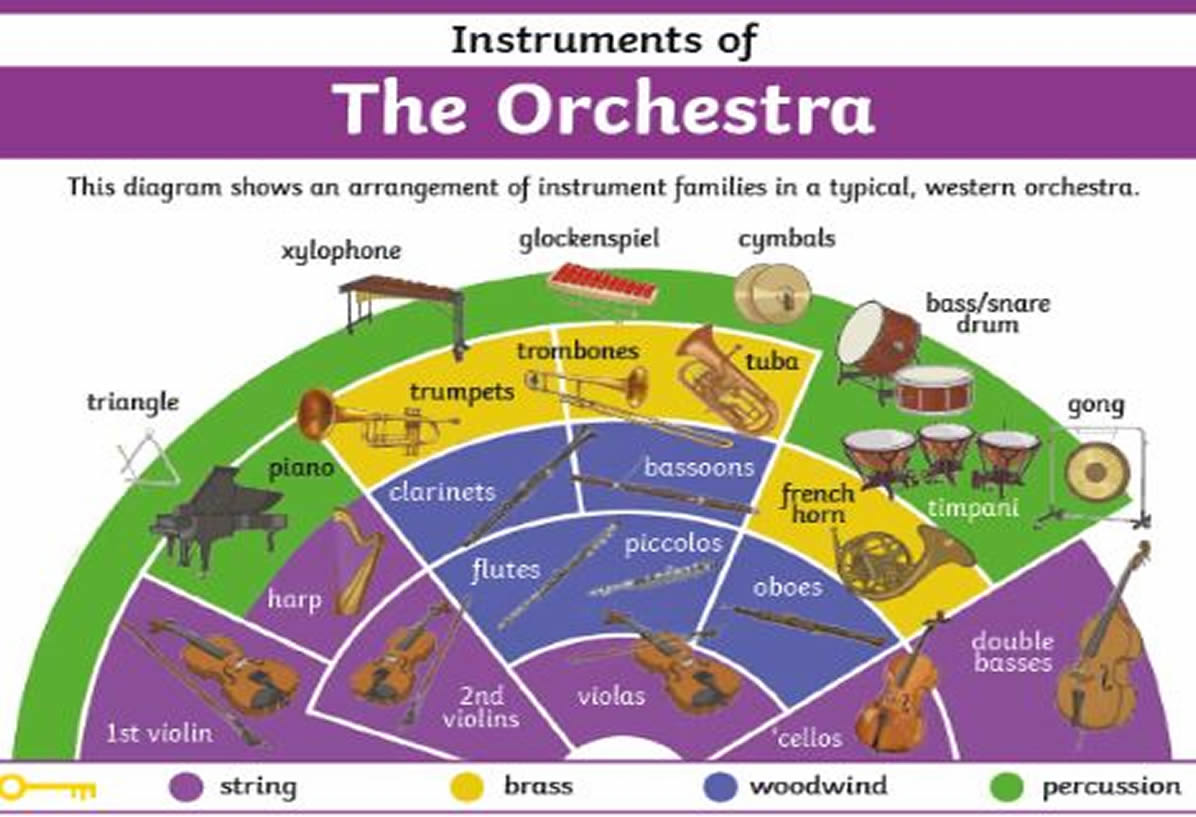
I recommend listening to the most famous introduction to this subject: Benamin Britten's piece written as a guide to the instruments of the orchestra. Click here for this NB This is a work in progress
       
                                          The four main instrumental groups of the orchestra are: Strings, Woodwind, Brass and Percussion


The string family is the largest section of the orchestra, often comprising more than half of its total musicians. It consists primarily of four bowed instruments: the violin, viola, cello, and double bass, along with the harp.
Violin: The smallest member; produces the highest pitch and often plays the melody. Usually divided into 1st and 2nd violins. The 1st violins are the leaders. In earlier music the 2nd violins often play lower notes in harmony with the 1sts but are more independent in more modeern music.
Viola: Slightly larger than the violin; has a warmer, deeper tone and typically provides harmony.
Cello: Much larger and must be played while seated; it has a rich, soulful sound that spans from low to high notes.
Double Bass: The largest and lowest-pitched; provides the foundation and rhythmic backbone of the orchestra.
Harp: A unique member with 47 strings that are plucked rather than bowed
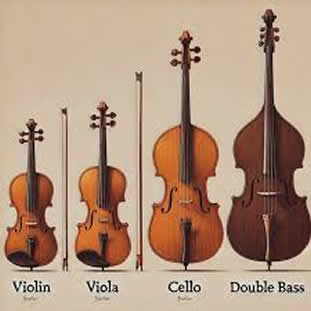

The four members of the string family
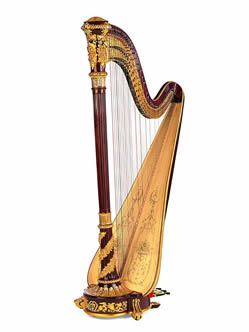
              A Harp
Click Here to listen to Sir Edward Elgar’s Introduction and Allegro for Strings, Op. 47,  widely considered one of the masterpieces of the string orchestra repertoire. Composed in 1905. This piece has no harp.
 

Examples of the solo instruments
Violin: Sonata by JS Bach Click here
Viola: Toccata and Fuge in D minor for organ transcribed for viola: Click here
Cello: JS Bach 1st Suite for unaccompanied cello by JS Bach, Click here.
Double bass: Famous solo from Saint-Saens' Carnival of the animals - the elephant; Click here
The Harp: Greensleeves; Click here

Examples of the solo instruments playing with orchestra in a concerto or with a piano
Violin Concerto by Vivaldi (The Four Seasons); click here
Viola concerto by hoffmeister; Click here
Cello Concerto by Elgar; Click here
The cellists of City of Southampton Orchestra

Double Bass concerto by Bottesini; Click here
Concerto for harp and flute by Mozart; Click here
       
  Viola jokes. Viola players and violas are often the subject of jokes probably based on violin players suggesting that when they they find their instrument too difficult they play the viola instead. This is of course untrue and unkind but still often funny. A good example is a piece by the two violinists who present a series of musical sketches called TwoSetViolin. Here is a great example  It is also a great introduction to much great viola music.
 

TOP.......      
 

Benjamin Britten’s The Young Person's Guide to the Orchestra (Op. 34) is a 1945 musical composition designed to introduce the different sections and instruments of an orchestra. Its subtitle is  Variations and Fugue on a Theme of Purcell. It is built around a melody by the 17th-century English composer Henry Purcell. The theme is first played by the full orchestra, then repeated by each of the four families: Woodwinds, Brass, Strings, and Percussion.  The work is divided into three main sections: Introduction, Variations, and Fugue.
1. The Introduction
The theme is played six times in total:
Full Orchestra (triumphant opening)
Woodwind Family
Brass Family
String Family
Percussion Family
Full Orchestra (recap)
2. The Variations
Britten "takes the orchestra apart," giving each instrument a solo variation that highlights its unique character and range:
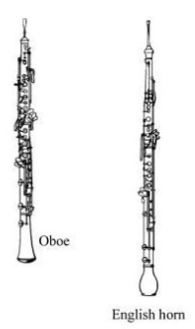
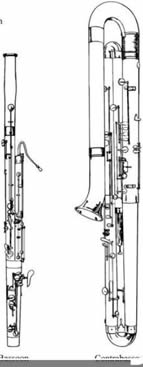
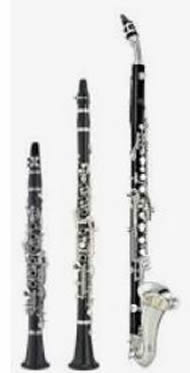
Woodwinds: Piccolo & Flutes (agile), Oboes (plaintive), Clarinets (fluid), Bassoons (staccato/clumsy).
Strings: Violins (brilliant), Violas (warm), Cellos (rich), Double Basses (deep), Harp (shimmering).
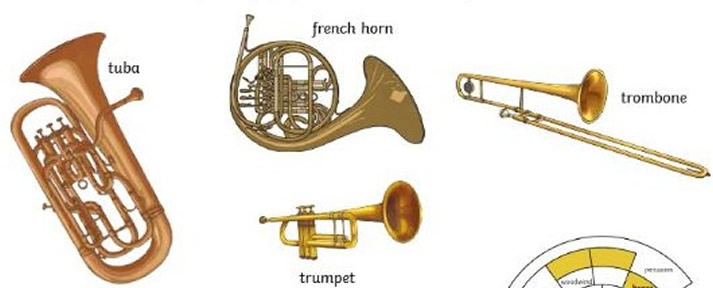
Brass: French Horns (regal), Trumpets (bold), Trombones & Tuba (powerful).
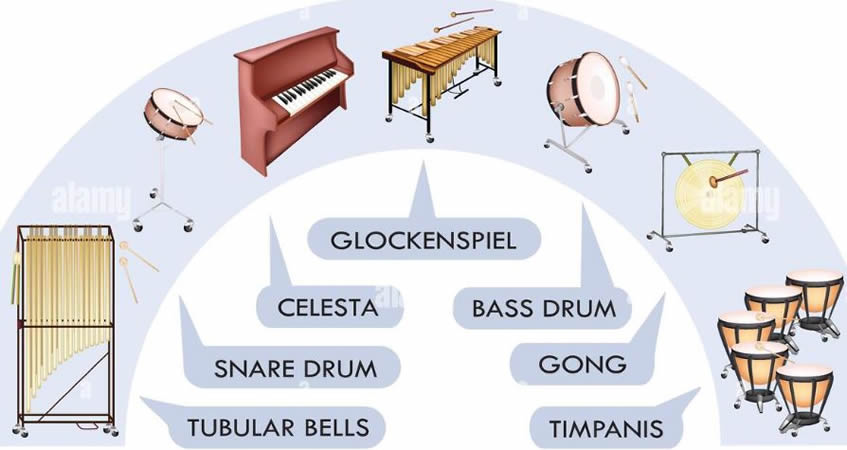
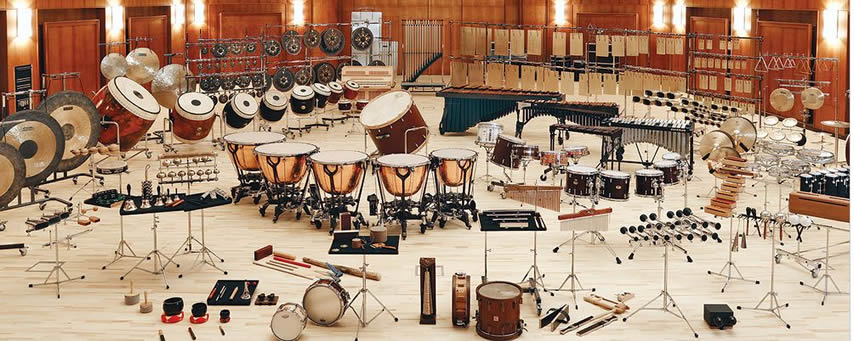
Percussion: A rhythmic sequence featuring Timpani, Bass Drum, Cymbals, Xylophone, and others.
3. The Fugue
The finale reassembles the orchestra. Each instrument enters one by one, playing a fast-paced new melody based on Purcell’s original. While the woodwinds and strings continue the frantic fugue, the brass enters with Purcell’s original theme played broadly and majestically over the top.

To hear a recording on YouTube Click Here